Beli
Beli
Rediscovering Beli's
original promise
Rediscovering Beli's original promise
Brand & Product Strategy
Brand & Product Strategy
Brand & Product Strategy
Visual Identity
Visual Identity
Visual Identity
Product Design
Product Design
Product Design
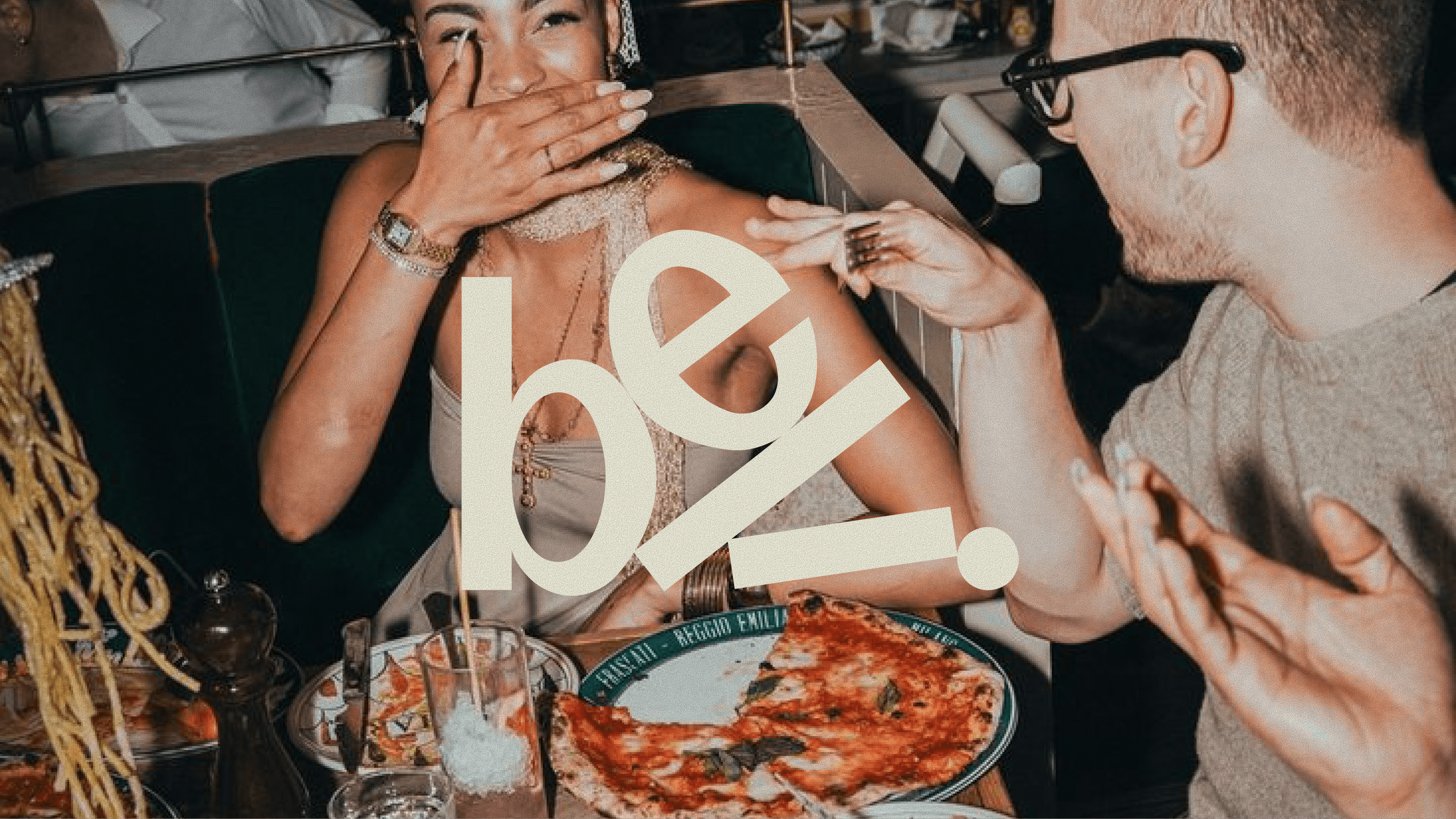

Your taste, remembered
Your taste,
remembered
Your taste,
remembered
OVERVIEW
OVERVIEW
Instead of redesigning Beli's interface, I reimagined the product from the inside out. This independent concept explores how Beli could evolve from a restaurant rating app into a social memory platform, where trust—not popularity—drives discovery.
Instead of redesigning Beli's interface, I reimagined the product from the inside out. This independent concept explores how Beli could evolve from a restaurant rating app into a social memory platform, where trust—not popularity—drives discovery.
THE CHALLENGE
THE CHALLENGE
Beli began with a simple insight:
“The people who know your taste make better recommendations than strangers.”
As the product evolved, engagement mechanics like streaks, leaderboards, and trending feeds improved short-term retention but slowly weakened the trust that made Beli valuable in the first place.
The redesign asks how Beli can strengthen trust while continuing to grow as a product.
Beli began with a simple insight:
“The people who know your taste make better recommendations than strangers.”
As the product evolved, engagement mechanics like streaks, leaderboards, and trending feeds improved short-term retention but slowly weakened the trust that made Beli valuable in the first place.
The redesign asks how Beli can strengthen trust while continuing to grow as a product.
Beli began with a simple insight:
“The people who know your taste make better recommendations than strangers.”
As the product evolved, engagement mechanics like streaks, leaderboards, and trending feeds improved short-term retention but slowly weakened the trust that made Beli valuable in the
first place.
The redesign asks how Beli can strengthen trust while continuing to grow as a product.


PRODUCT STRATEGY
From restaurant reviews
to Social memory
Reframing the product around memory creates a stronger emotional reason to return, while preserving the quality of recommendation data.
The redesign shifts Beli's role from collecting ratings to preserving experiences.
Instead of asking
"How was the restaurant?"
Beli asks
"Will you remember this place?"
Every feature reinforces one idea:
Your taste, remembered.
PRODUCT STRATEGY
From restaurant reviews to Social memory
Reframing the product around memory creates a stronger emotional reason to return, while preserving the quality of recommendation data.
The redesign shifts Beli's role from collecting ratings to preserving experiences.
Instead of asking
"How was the restaurant?"
Beli asks
"Will you remember this place?"
Every feature reinforces one idea:
Your taste, remembered.
PRODUCT STRATEGY
From restaurant reviews
to Social memory
Reframing the product around memory creates a stronger emotional reason to return, while preserving the quality of recommendation data.
The redesign shifts Beli's role from collecting ratings to preserving experiences.
Instead of asking
"How was the restaurant?"
Beli asks
"Will you remember this place?"
Every feature reinforces one idea:
Your taste, remembered.



ON THIS DAY
1 YEAR AGO
"One of those dinners that makes time move a little slower."

with Jorge
relive it

PRODUCT GROWTH
Retention
without anxiety
Rather than relying on engagement mechanics that encourage performative behavior, the redesign aligns growth with authentic user value
Product Goals
Increase retention
Replace streaks with meaningful memory moments.
Strengthen network effects
Help users discover their Taste Twins and trusted recommendations.
Taste Twin transforms recommendations into a network effect.
Every new connection makes the product more valuable for
everyone involved.
Improve discovery
Prioritize people with similar tastes over trending restaurants.
Differentiate the product
Position Beli as the social memory layer for dining.
By aligning incentives with user behavior, the product grows because recommendations become more trustworthy—not because users fear losing progress.
PRODUCT GROWTH
Retention
without anxiety
Rather than relying on engagement mechanics that encourage performative behavior, the redesign aligns growth with authentic user value
Product Goals
Increase retention
Replace streaks with meaningful memory moments.
Strengthen network effects
Help users discover their Taste Twins and trusted recommendations.Taste Twin transforms recommendations into a network effect. Every new connection makes the product more valuable for everyone involved.
Improve discovery
Prioritize people with similar tastes over trending restaurants.
Differentiate the product
Position Beli as the social memory layer for dining.
By aligning incentives with user behavior, the product grows because recommendations become more trustworthy—not because users fear losing progress.
PRODUCT GROWTH
Retention
without anxiety
Rather than relying on engagement mechanics that encourage performative behavior, the redesign aligns growth with authentic user value
Product Goals
Increase retention
Replace streaks with meaningful memory moments.
Strengthen network effects
Help users discover their Taste Twins and trusted recommendations.
Taste Twin transforms recommendations into a network effect.
Every new connection makes the product more valuable for
everyone involved.
Improve discovery
Prioritize people with similar tastes over trending restaurants.
Differentiate the product
Position Beli as the social memory layer for dining.
By aligning incentives with user behavior, the product grows because recommendations become more trustworthy—not because users fear losing progress.


BRAND STRATEGY
Building the language
of stacking
The identity reflects the product strategy.
Rather than celebrating food itself, it celebrates the memories left behind.
The visual language is inspired by everyday dining objects—cups, plates, and bowls—which evolve into abstract forms used across the product, motion, campaigns, and merchandise.
One interaction became the foundation of the system:
Stacking.
Every memory adds another layer.
Every recommendation grows your taste.
BRAND STRATEGY
Building the language
of stacking
The identity reflects the product strategy.
Rather than celebrating food itself, it celebrates the memories left behind.
The visual language is inspired by everyday dining objects—cups, plates, and bowls—which evolve into abstract forms used across the product, motion, campaigns, and merchandise.
One interaction became the foundation
of the system:
Stacking.
Every memory adds another layer.
Every recommendation grows your taste.
BRAND STRATEGY
Building the language
of stacking
The identity reflects the product strategy.
Rather than celebrating food itself, it celebrates the memories
left behind.
The visual language is inspired by everyday dining objects—cups, plates, and bowls—which evolve into abstract forms used across the product, motion, campaigns, and merchandise.
One interaction became the foundation of the system:
Stacking.
Every memory adds another layer.
Every recommendation grows your taste.


A Human-First
Product Experience
The product is designed around people—not screens.
Content leads the experience, interactions stay lightweight, and every detail supports one goal: helping users remember meaningful meals and discover places through people they trust, encouraging users to return because the content—not the interface—continues to evolve.
Discovery happens through
Friends
Taste Twins
Nearby
Curated collections
This ties directly back to your overarching strategy—"people over ratings, memories over reviews" — and makes the UI decisions feel like a consequence of the product vision rather than simply a visual style.
A Human-First
Product Experience
The product is designed around people—
not screens.
Content leads the experience, interactions stay lightweight, and every detail supports one goal: helping users remember meaningful meals and discover places through people they trust, encouraging users to return because the content—not the interface—continues to evolve.
Discovery happens through
Friends
Taste Twins
Nearby
Curated collections
This ties directly back to your overarching strategy—"people over ratings, memories over reviews"—and makes the UI decisions feel like a consequence of the product vision rather than simply a visual style.
A Human-First
Product Experience
The product is designed around people—not screens.
Content leads the experience, interactions stay lightweight, and every detail supports one goal: helping users remember meaningful meals and discover places through people they trust, encouraging users to return because the content—not the interface—continues to evolve.
Discovery happens through
Friends
Taste Twins
Nearby
Curated collections
This ties directly back to your overarching strategy—"people over ratings, memories over reviews" — and makes the UI decisions feel like a consequence of the product vision rather than simply a visual style.

AI as a Collaborator
AI accelerated research, strategy, and rapid prototyping—allowing more time for product thinking, visual refinement, and storytelling.
Claude
Research synthesis
Product strategy
Competitive analysis
ChatGPT
Copywriting
Claude design
Rapid prototyping
Early UI exploration
OUTCOME
Bringing It All Together
Beli evolves from a restaurant rating app into a social memory platform where every interaction reinforces trust, every recommendation feels personal, and every meal becomes part of a larger story.
The result is a product and brand system designed to grow through meaningful experiences—not engagement mechanics.
AI as a Collaborator
AI accelerated research, strategy, and rapid prototyping—allowing more time for product thinking, visual refinement, and storytelling.
Claude
Research synthesis
Product strategy
Competitive analysis
Copywriting
Claude design
ChatGPT
Rapid prototyping
Early UI exploration
Claude design
OUTCOME
Bringing It All Together
Beli evolves from a restaurant rating app into a social memory platform where every interaction reinforces trust, every recommendation feels personal, and every meal becomes part of a larger story.
The result is a product and brand system designed to grow through meaningful experiences—not engagement mechanics.
AI as a Collaborator
AI accelerated research, strategy, and rapid prototyping—allowing more time for product thinking, visual refinement, and storytelling.
Claude
Research synthesis
Product strategy
Competitive analysis
ChatGPT
Copywriting
Claude design
Rapid prototyping
Early UI exploration
OUTCOME
Bringing It All Together